
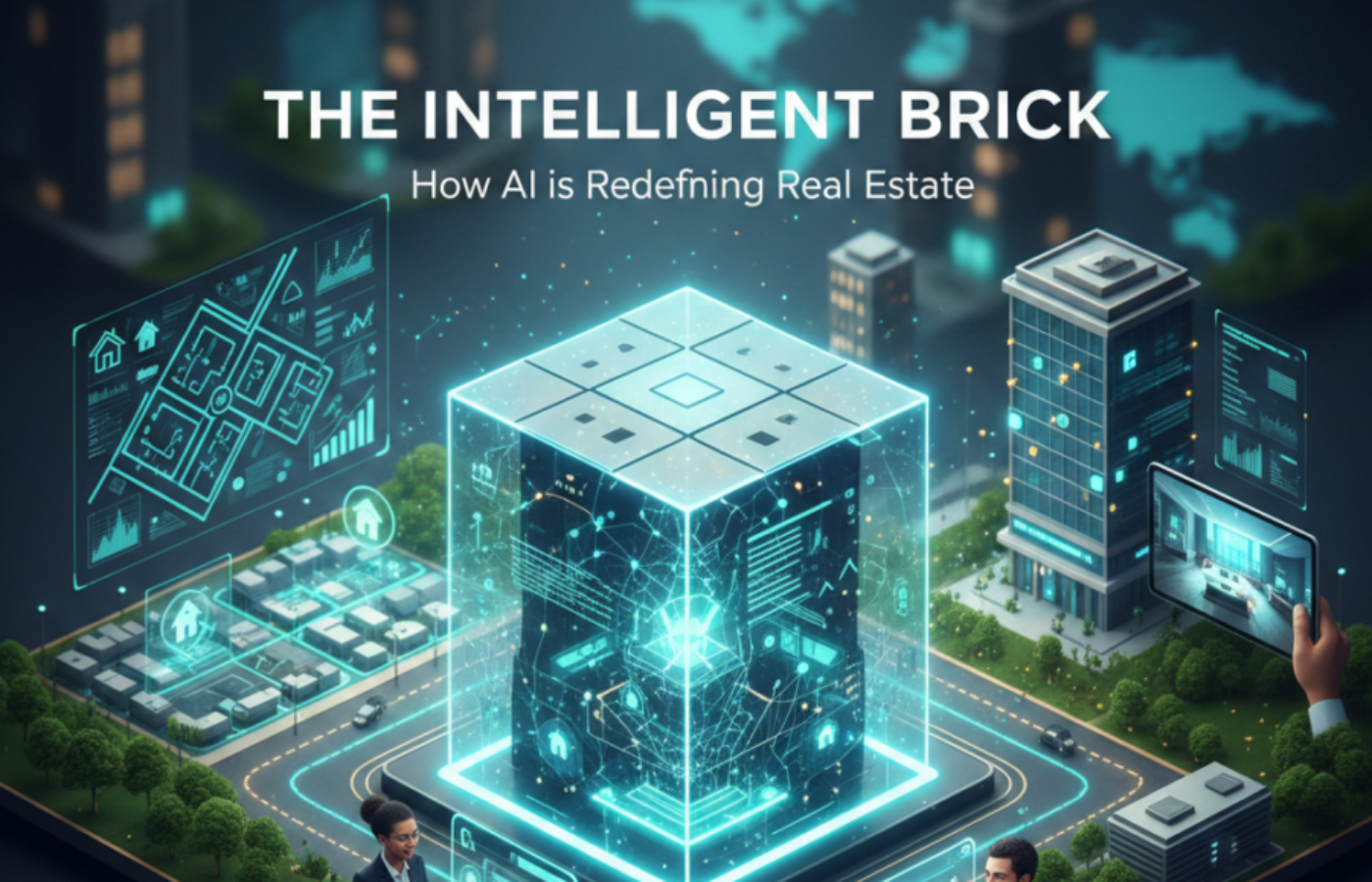
The real estate industry, traditionally seen as slow to adopt new technologies, is experiencing an accelerated transformation thanks to Artificial Intelligence. We’re not just talking about chatbots anymore; AI is fundamentally reshaping how properties are valued, managed, bought, and sold. In 2026, AI is no longer a futuristic concept but an indispensable tool, creating efficiencies, uncovering hidden opportunities, and personalizing the experience for everyone from the individual homebuyer to the institutional investor.
Let’s dive into how AI is becoming the intelligent brick in the foundation of modern real estate.
1. Predictive Analytics: Beyond the CMA
Remember the Comparative Market Analysis (CMA)? It’s still vital, but AI is pushing valuation far beyond historical sales data. AI algorithms can now analyze:
- Hyper-local Market Dynamics: Not just zip codes, but specific streets, even sides of a street, factoring in school district changes, future infrastructure projects, and micro-economic shifts.
- Behavioral Economics: Tracking buyer search patterns, popular amenities, desired layouts, and even how long properties stay on specific platforms.
- Environmental Factors: Assessing climate risk, future flood zones, and the impact of green initiatives on property values.
This means more accurate appraisals for lenders, smarter pricing strategies for sellers, and investors making decisions with unprecedented foresight into future property performance.
2. Personalized Property Discovery: Your AI Concierge
The days of endlessly scrolling through listings are numbered. AI is turning property search into a highly personalized experience:
- Smart Matching: Beyond basic filters, AI understands your lifestyle. It learns your preferences from past searches, social media activity (with consent), and even your commute patterns to suggest properties you didn’t even know you wanted.
- Virtual Showings & Enhancements: AI-powered tools are creating hyper-realistic virtual tours. Imagine walking through a property that has been virtually staged to your exact taste, or seeing how your furniture would look in each room before you even visit.
- Sentiment Analysis: AI can even gauge public sentiment around a neighborhood or specific property from local news, forums, and social media, providing a holistic view beyond objective data.
3. Streamlined Operations & Management: The Smart Building Ecosystem
For property managers and commercial real estate, AI is a game-changer for efficiency and cost savings:
- Predictive Maintenance: AI sensors in smart buildings can detect anomalies in HVAC systems, plumbing, or electrical grids before they fail, scheduling maintenance proactively and reducing costly emergency repairs.
- Optimized Space Utilization: In commercial settings, AI can analyze foot traffic and usage patterns to optimize office layouts, retail flows, and common area management, maximizing ROI per square foot.
- Automated Lease Management & Renewals: AI can track lease expiry dates, analyze market conditions to suggest optimal renewal terms, and even draft initial contracts, freeing up valuable time for human oversight.
4. Enhancing the Agent’s Role: Supercharging Human Expertise
Contrary to fears, AI isn’t replacing real estate agents; it’s empowering them to be more effective and client-focused.
- Lead Scoring & Nurturing: AI identifies the hottest leads, allowing agents to focus their energy on prospects most likely to convert.
- Automated Marketing Content: From generating property descriptions to drafting social media posts, AI assists with repetitive content creation, allowing agents to dedicate more time to client relationships.
- Market Insights at Their Fingertips: Agents can access real-time, AI-driven market intelligence to better advise clients, negotiate deals, and anticipate trends.
The Road Ahead: Ethical AI and the Human Touch
As AI becomes more integrated into real estate, discussions around data privacy, algorithmic bias, and ethical deployment are paramount. Ensuring fair housing practices are upheld and that AI serves as an enhancement to human expertise, rather than a replacement, will be critical.
The real estate industry in 2026 is smarter, faster, and more client-centric thanks to AI. It’s an exciting time where data-driven intelligence meets human intuition, building a future where every property transaction is not just a deal, but a truly intelligent experience.